
We often hear that “food is medicine,” but never is this more true than as we grow older. Nutrition plays a central role in how well we age, influencing our energy, strength, memory, mood and even independence. After 50, the body’s needs change, and by the time we reach our seventies and eighties, thoughtful food choices can make all the difference to quality of life.
Whether you’re still working, enjoying retirement, or living in a care setting, nutrition is a powerful tool to maintain health, resilience, and joy in daily living.
Why nutrition matters more after 50
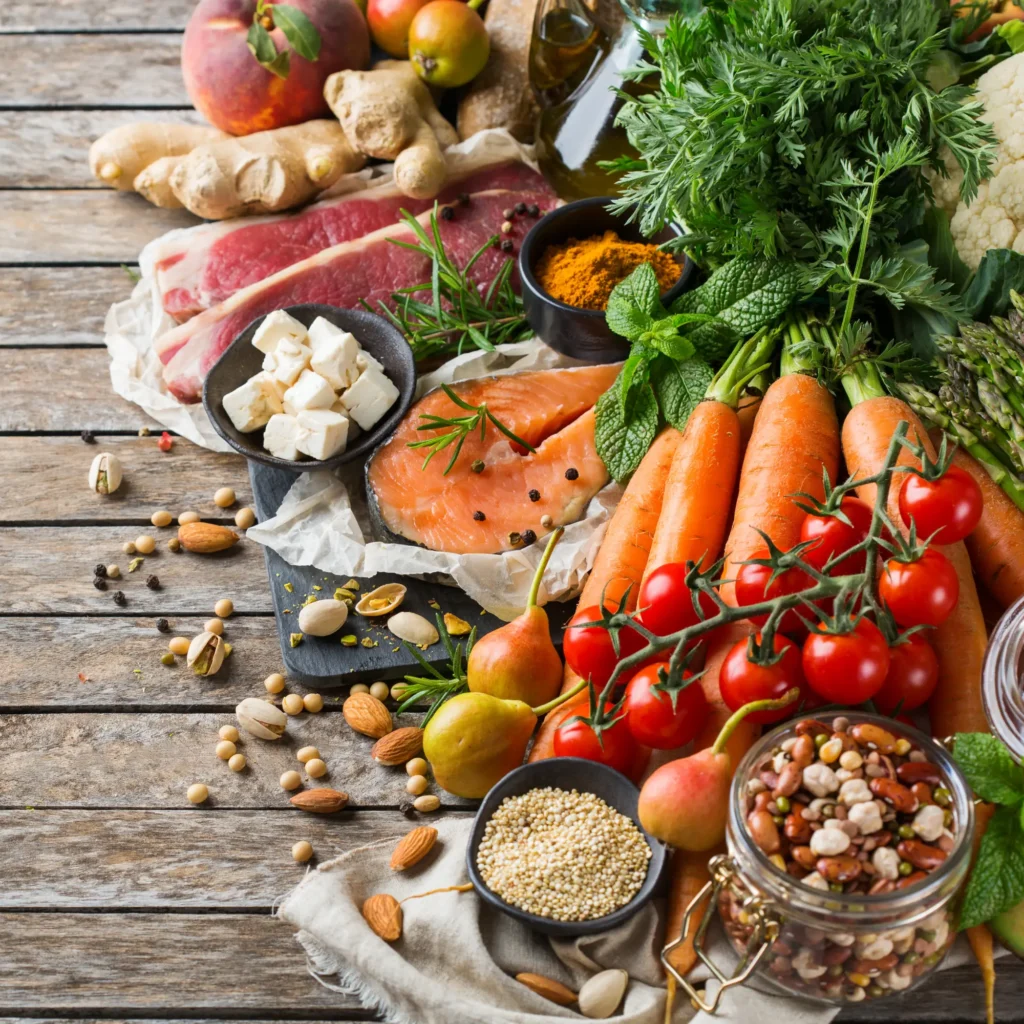
From around midlife, natural changes in hormones, muscle mass and metabolism mean our bodies use and store energy differently. We also begin to absorb certain vitamins and minerals less efficiently. This doesn’t mean decline is inevitable, quite the opposite. With the right nutrition, it is possible to stay active, protect memory and keep the immune system robust.
Key areas that nutrition supports include:
- Muscle and bone strength: Adequate protein, calcium, vitamin D, and magnesium are essential to prevent frailty and osteoporosis.
- Brain health: Omega-3 fatty acids, B vitamins, and antioxidants help protect memory and cognitive function.
- Immunity and healing: A colourful diet rich in fruit and vegetables provides vitamin C, zinc, and phytonutrients to fight infection and support recovery.
- Energy and mood: Stable blood sugar, supported by fibre and balanced meals, can reduce fatigue and anxiety while improving sleep.
Great nutrition for the over-50s
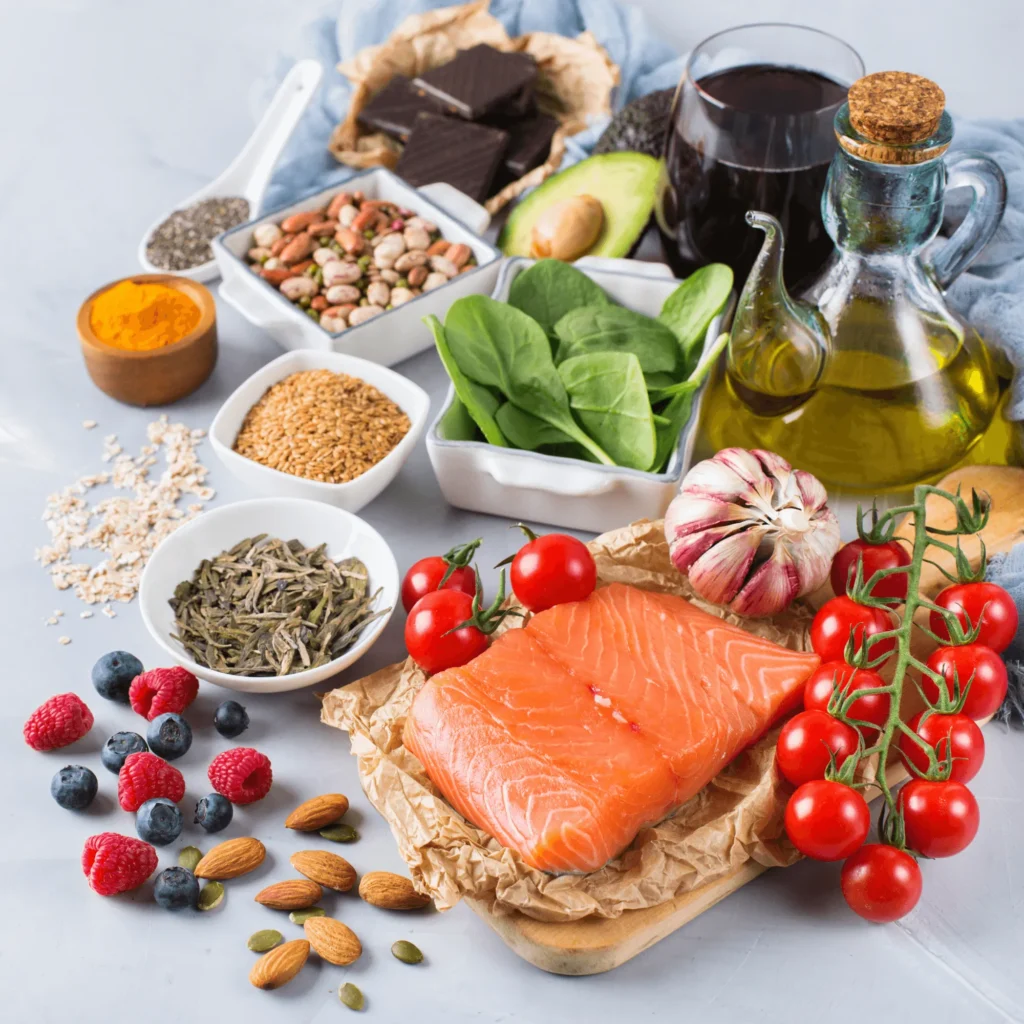
For those in their fifties and sixties, the goal is prevention: protecting the body for the years ahead. Here are some simple but effective strategies:
- Prioritise protein
Aim to include a source of protein at each meal, such as fish, chicken, beans, lentils, and eggs. Protein not only supports muscle repair but also helps regulate appetite and blood sugar. - Eat the rainbow
A variety of colourful fruit and vegetables ensures a wide intake of vitamins, minerals and antioxidants. These compounds protect cells from ageing and lower the risk of heart disease, diabetes and dementia. - Support bone health
Beyond calcium, nutrients such as vitamin D (from sunlight and supplementation), vitamin K2 (from fermented foods like natto or certain cheeses) and magnesium (from leafy greens, nuts and seeds) all play a part in keeping bones strong. - Look after digestion
Fibre from wholegrains, beans, fruit and vegetables supports bowel regularity and a healthy microbiome, which in turn influences immunity and mood. - Hydration matters
As we age, thirst signals can become weaker. Aim for 6–8 glasses of water or herbal tea daily to maintain energy, circulation and concentration.
Nutrition in the seventies and beyond
For those already in care homes or more advanced in years, nutrition has an even more practical role: preventing frailty, supporting independence, and bringing pleasure. Challenges at this stage often include reduced appetite, changes in taste or smell, dental issues, and difficulty chewing or swallowing.
Practical considerations for great elder nutrition include:
- Smaller, frequent meals
Three large meals can sometimes feel overwhelming. Offering four to five smaller, nutrient-dense meals or snacks can make eating easier and more enjoyable. - Easy-to-eat protein
Soft foods such as scrambled eggs, fish pies, lentil soups, cottage cheese or smoothies provide protein without chewing difficulties. - Energy-dense foods
For those with reduced appetite or weight loss, adding healthy fats like olive oil, avocado, nut butters or ground seeds can increase calorie intake without large portions. - Fortified options
Using full-fat dairy, enriched cereals or fortified plant milks can help provide extra vitamins and minerals. - Social mealtimes
Eating together is as important as the food itself. Sharing meals can improve appetite, reduce loneliness, and create moments of joy. - Flavour and enjoyment
Herbs, spices and natural seasonings help stimulate taste buds, especially as sense of taste and smell fade with age. Eating should remain one of life’s pleasures.
Supplements
While food should always come first, supplements may be needed. For example, vitamin D and K2 (especially in winter), vitamin B12 (as absorption decreases with age), and omega-3 fatty acids (if oily fish intake is low) can all provide extra support. Any supplementation should be checked with a healthcare provider, particularly if medication is involved.
A holistic approach
Nutrition is not just about nutrients. It’s about maintaining dignity, social connection and the joy of living. A bowl of warming soup, a family recipe, or the simple act of sharing a meal can nourish the spirit as much as the body.
For those over 50, and those in their seventies, eighties and beyond, food is a daily opportunity to strengthen the body, sharpen the mind and lift the mood. With the right approach, we can continue to thrive at every stage of life.